



- Home
- /
- /
- Article
Reps
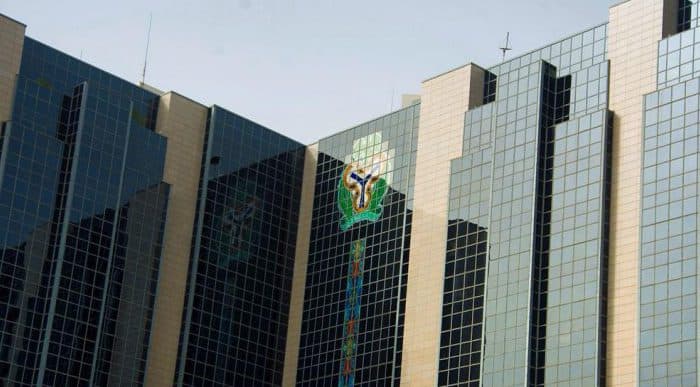
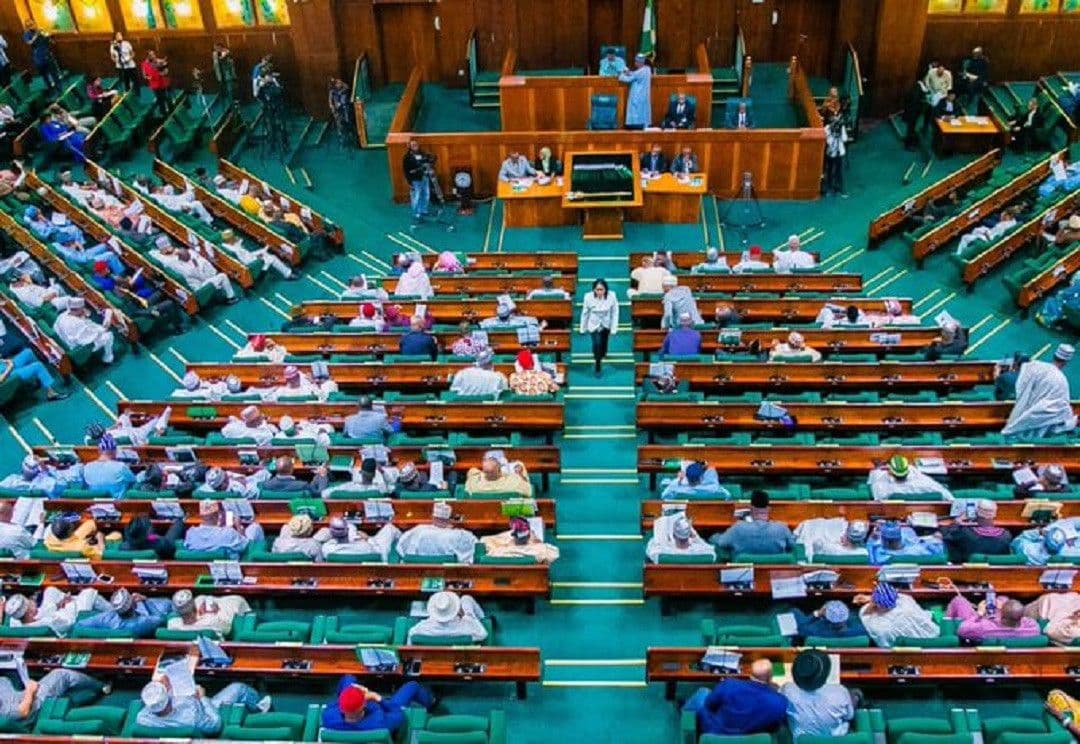
The House of Representatives on Thursday mandated its relevant committees to investigate the non-functionality of state-owned petroleum refineries in Port Harcourt, Warri and Kaduna despite the use of about $18bn for their rehabilitation in the past two decades.
The resolution of the House followed the consideration and adoption of a motion moved by Lagos lawmaker, Oluwaseun Whingan, during a plenary session presided over by the Deputy Speaker, Mr Benjamin Kalu.
The Federal Government owns four petroleum refineries in Port Harcourt (with two plants) and a plant each in Warri and Kaduna.
Managed by the Nigerian National Petroleum Company Limited, the refineries have suffered from perennial rot owing to factors ranging from poor administration and vandalism; a development that has left the nation with no option but to rely on imported refined products. Recently, billionaire businessman Aliko Dangote argued that the chances of the refineries bouncing back were slim, even as the Group Chief Executive Officer of the NNPCL, Bayo Ojulari, stated that selling off the national assets would not be ruled out.
Wooing his colleagues in support of the motion, Whinghan, who represents the Badgary Federal Constituency, Lagos State, noted that the House was worried over the persistent non-functionality of Nigeria’s state-owned refineries in Port Harcourt, Warri, and Kaduna.
This, he said, was despite over two decades of rehabilitation efforts and an estimated expenditure of $18bn on turnaround maintenance, with no tangible results to show.
He continued, “The House is worried over the recent public statements by Nigeria’s foremost industrialist, Aliko Dangote, and former President Olusegan Obasanjo, expressing doubts about the viability of these refineries and describing the multi-billion-dollar investments as futile, sparking widespread public concern and outrage over potential mismanagement.
“We recall that in 2007, during the administration of President Olusegun Obasanjo, Alhaji Dangote and other private investors acquired the refineries, but the succeeding administration of President Umaru Yar’ Yar’ Adua reversed the transaction, opting instead for rehabilitation using public funds, a decision that has yielded no significant operational improvements.
More like this