



- Home
- /
- /
- Article
Umo
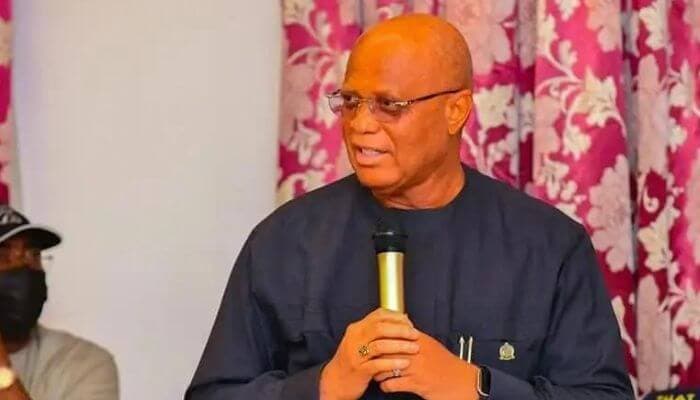
Governor Umo Eno’s ban on the Ekpo masquerade in Akwa Ibom State has continued to generate widespread backlash, with cultural groups, civil society actors and legal practitioners condemning the move, as an assault on tradition and an abuse of executive power. The controversy began on November 30 when the governor announced a ban on public display of Ekpo masquerades, citing security concerns. Days later, the declaration was formalised through an Executive Order, escalating public reaction across the state.
The government said the ban followed intelligence reports that criminals were disguising as masquerades to harass and assault members of the public. Acting on the directive, the Akwa Ibom State Police Command arrested some individuals alleged to have violated the order.
Commissioner of Police, Baba Mohammed Azare, said the arrests were based on a distress call from a citizen who alleged that armed masquerades attacked passers-by, including National Youth Service Corps members.
While justifying the Executive Order, Governor Eno said the activities of masquerades had become a nuisance and a security risk, particularly on highways. He added that although Ekpo is a cultural practice, it must not infringe on the rights and safety of others.
However, the ban has drawn sharp criticism from cultural stakeholders and members of the public, who argue that public display is central to the Ekpo tradition among the Ibibio, Annang and Efik people.
Tension heightened last week when a masquerade, David Effiong, was arraigned before Magistrate Court 1 in Uyo on charges including disturbance of public peace and terrorism-related offences. Effiong appeared in court in full masquerade regalia.
At the hearing, human rights lawyer, Ekom Nwoko, who appeared for the defendant pro bono, argued that the charges did not meet the legal threshold for remand and urged the court to consider the cultural context of Ekpo. Vanguard
More like this