




- Home
- /
- /
- Article
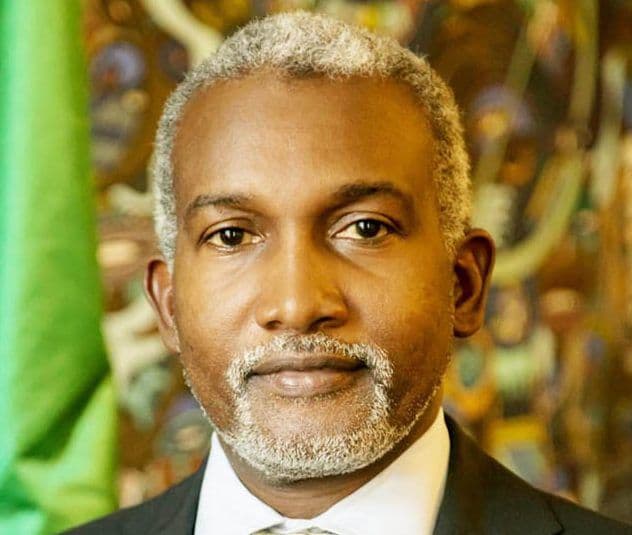
Tuggar
The Federal Government has admitted to mounting financial and operational difficulties across Nigeria’s diplomatic and consular missions abroad, blaming budgetary shortfalls and foreign exchange policy changes for the strain.
The Ministry of Foreign Affairs made the admission on Monday in a statement by its spokesperson, Kimiebi Ebienfa.
The ministry acknowledged that the challenges had disrupted the smooth functioning of several missions, leading to delays in the payment of salaries for locally recruited staff, allowances for home-based officers, and rent owed to landlords and service providers.
“The ministry is not unaware of the restrictions that financial limitations have placed on the smooth running of the missions, including the inability to pay salaries of locally recruited staff, financial obligations to service providers, rent to landlords, and the foreign service allowance to home-based officers,” the statement said.
While stressing that the situation mirrors the broader economic realities affecting the country, the ministry noted that inadequate funding over the years had significantly undermined the capacity of missions to perform their core diplomatic duties.
“It is pertinent to state, however, that the Nigerian diplomatic missions are not immune to the economic situation at home and its attendant challenges to government operations. The financial situation in our missions stems from budgetary limitations over the years, resulting in shortfalls in allocations,” the ministry added.
The statement assured Nigerians at home and abroad that the welfare of foreign service officers and their families remains a top priority for President Bola Tinubu’s administration.
“The government is taking decisive and concrete steps to address the issues of fund allocation to all its missions abroad,” the ministry said, disclosing that special intervention funds had been released to ease the burden on affected posts. According to the ministry, over 80 per cent of available funds have already been disbursed, with priority given to service providers, salaries of local staff, and arrears of officers’ claims. To guarantee transparency, a verification committee was established to review the debt profiles of missions and ensure that payments were legitimate and equitably shared.
More like this